

The shift to hybrid work has fundamentally reshaped our understanding of the workplace. It’s no longer just a physical building; it’s a dynamic ecosystem encompassing both traditional office spaces and remote environments. This presents a unique challenge for organizational leaders: how do we create truly healthy places for a workforce spread across different locations and work styles?
Ensuring employee well-being in this new landscape means rethinking traditional wellness programs. We can’t simply replicate old strategies and expect them to resonate with everyone, especially when some team members are working from home full-time, others are in the office daily, and many navigate a blend of both. Our collective health movement depends on adapting to these new realities, designing interventions that reach all employees equitably.
At WorkHealthy America, we’ve seen firsthand how crucial it is to develop evidence-based policies and environmental changes that foster health, no matter where work happens. We believe that organizations are untapped sources of power in a world where millions of lives are being claimed by chronic diseases every year. Successfully navigating hybrid work wellness requires a strategic approach, focusing on scalable outcomes that benefit everyone. You can learn more about how we approach building healthy cultures for distributed teams in our comprehensive guide.
What Is Hybrid Work Wellness?
Hybrid work wellness refers to a holistic organizational strategy designed to support the physical, mental, and emotional health of employees across both remote and in-office settings. It acknowledges the diverse needs of a distributed workforce, aiming to create equitable access to wellness resources and foster a consistent culture of health.
This isn’t just about offering gym memberships or stress management apps. It’s about a foundational shift in how we view employee health as an organizational asset, translating prevention science into real-world policies and benefits. The location of people, where they live, work, and learn, has a direct effect on their health. For organizations, this means crafting policies that proactively address the specific challenges and opportunities presented by both remote and on-site work environments.
“Workplace wellness programs that are well-designed and inclusive can lead to improved employee health, reduced healthcare costs, and increased productivity. The key is to address the specific needs of the workforce and ensure broad participation.”
What is the impact of remote work on employee productivity and well-being?
Remote work can profoundly impact both employee productivity and well-being, presenting a mixed bag of benefits and challenges. While many employees report increased autonomy and better work-life balance, others struggle with isolation, blurred boundaries between work and home, and potential burnout. Productivity can rise due to fewer distractions for some, but decline for others facing poor home environments or lack of clear communication.
In our practice supporting over 1,000 organizations, we’ve observed that the impact isn’t uniform. Some employees thrive with the flexibility, reporting higher job satisfaction. Others grapple with the lack of casual social interaction, which can erode team cohesion over time. This is why a nuanced approach to wellness, considering individual circumstances, is so vital. It’s not enough to simply offer a single solution; we must provide a range of options.

What are the psychological effects of working from home?
Working from home can lead to various psychological effects, including increased feelings of isolation, loneliness, and anxiety for some, while others experience reduced stress from commuting and greater personal control. The blurring of work-life boundaries can contribute to burnout, as employees find it difficult to disconnect. Conversely, the flexibility can foster greater autonomy and mental space, improving overall mental well-being for many.
This duality means organizations must be especially attuned to the mental health needs of their hybrid workforce. We know that mental health is a critical component of overall well-being, and its integration into workplace wellness programs is non-negotiable. As we emphasize in our guidance on mental health integration in workplace wellness, a strategic approach can make a significant difference.
A lack of social connection and potential difficulties in communication can exacerbate these issues. Studies have shown that prolonged periods of isolation can negatively impact mood and cognitive function, making proactive strategies crucial. We’ve seen that even simple interventions, like virtual social events or dedicated “no meeting” blocks, can help.
What are the disadvantages of hybrid working?
While hybrid working offers many advantages, it also comes with distinct disadvantages that organizations must proactively address to maintain a healthy and productive workforce. These challenges often revolve around equity, cohesion, and management complexities.
- **Equity Concerns:** There’s a risk of creating “two-tiered” workforces where remote employees feel less connected, less visible for promotions, or excluded from informal office interactions. This can lead to feelings of unfairness and hinder career progression.
- **Communication Gaps:** Misunderstandings can arise more easily when some team members are in person and others are remote. Ensuring effective communication channels that bridge this divide is an ongoing challenge.
- **Team Cohesion and Culture:** Building and maintaining a strong organizational culture becomes harder when people aren’t consistently together. Spontaneous collaboration and relationship-building can suffer.
- **Management Complexity:** Leaders need new skills to manage effectively across both remote and in-person teams, ensuring equitable workloads, performance evaluation, and team engagement.
- **Work-Life Balance Bleed:** For some, the flexibility of hybrid work means work is always “on,” leading to extended hours and a lack of clear separation between professional and personal life, contributing to burnout.
Addressing these disadvantages head-on is essential for any organization committed to a successful hybrid model. It requires more than just tools; it demands a strategic re-evaluation of policies and practices, particularly concerning health equity in workplace wellness to ensure all employees benefit.
How to Implement a Hybrid Work Wellness Program
Implementing a successful hybrid work wellness program is about creating a framework that’s adaptable and inclusive. It starts with understanding your specific workforce needs and leveraging evidence-based approaches to drive real-world change. We often recommend a multi-phase implementation process, much like our WorkHealthy America framework.
First, conduct a thorough assessment. Understand where your employees are struggling and what resources they need. This isn’t guesswork; it’s data-driven. Then, develop a clear strategy with measurable goals, focusing on both physical and mental well-being, and equitable access. Roll out targeted initiatives, providing resources that are accessible whether an employee is at their desk in the office or their home office across the state.
“Successful workplace wellness programs are not ‘one-size-fits-all.’ They are tailored to the specific demographics and needs of the employee population, fostering a supportive environment that encourages participation and sustained engagement.”
Finally, measure, evaluate, and iterate. Track participation, health outcomes, and employee feedback. This continuous improvement cycle is how we build truly effective programs that contribute to a healthier organizational level. Our 18 years of prevention policy advocacy work has taught us that programs designed with this rigor deliver superior, scalable outcomes.
What to Look For: Signs Your Hybrid Program Needs Wellness Support
Organizational leaders should keep an eye out for several indicators that signal a need for more robust hybrid work wellness support. These aren’t just isolated incidents; they’re often symptoms of broader systemic issues that impact overall organizational health.
- **Increased Absenteeism or Presenteeism:** More employees taking sick days, or showing up but being unproductive due to stress or lack of focus.
- **High Employee Turnover:** A noticeable rise in people leaving the organization, particularly if exit interviews point to work-life balance or stress.
- **Decreased Engagement Survey Scores:** Drops in metrics related to job satisfaction, team cohesion, or connection to company values.
- **Siloed Work and Communication Breakdowns:** Teams struggling to collaborate effectively across remote and in-office divides, leading to frustration.
- **Complaints about Burnout or Overwork:** Employees expressing feeling overwhelmed, unable to disconnect, or struggling with mental fatigue.
- **Rise in Healthcare Claims for Stress-Related Conditions:** An uptick in claims for conditions like anxiety, depression, or even physical ailments linked to stress.
When you spot these patterns, it’s a clear signal. These are opportunities to strengthen your wellness initiatives, ensuring they genuinely serve your entire workforce. This proactive approach supports employee well-being and safeguards your organization’s long-term productivity and success.
Nuanced Suitability: When Hybrid Wellness Needs a Different Approach
While hybrid work wellness is essential, it’s not always a standalone solution. There are situations where an organization might need to consider alternatives or integrate specialized support beyond a general wellness program. For instance, highly regulated industries might have stricter on-site requirements that limit hybrid flexibility, necessitating a heavier focus on traditional in-office wellness elements.
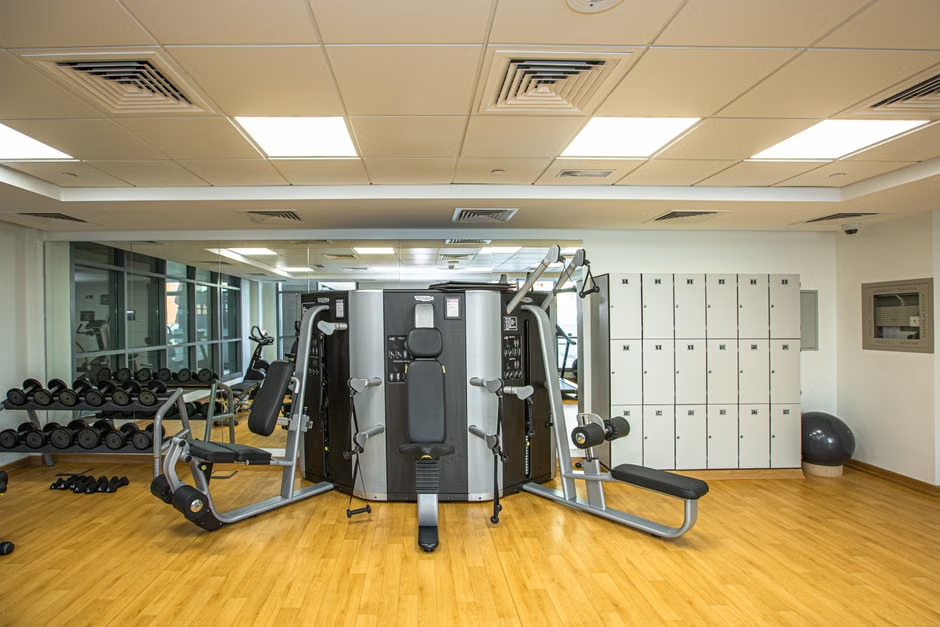
Similarly, for teams with very specific physical demands or those requiring constant hands-on collaboration, a primarily remote or deeply hybrid model might not be optimal. In these cases, the wellness strategy needs to adapt, perhaps focusing on on-site amenities, ergonomic assessments for physical workstations, or robust team-building within mandatory in-person hours. Some organizations might even find that a fully remote model, with dedicated resources for virtual connection, is more suitable than a poorly executed hybrid one. It’s about finding the best fit for your unique operational context and workforce, not just following a trend. We constantly apply this kind of critical evaluation in refining our WorkHealthy America framework to ensure it’s adaptable for varying organizational needs.
What to Expect: Realistic Timelines and Outcomes
Implementing a robust hybrid work wellness program isn’t an overnight fix; it’s a strategic, ongoing commitment that yields results over time. Within the first 3-6 months, you should expect to see increased awareness of available resources and an initial uptake in participation. You might also gather valuable qualitative feedback from employees about what’s working and what needs adjustment.
Over 6-12 months, with consistent promotion and refinement, you should observe more significant shifts. Look for improvements in employee engagement survey scores, a reduction in reported stress levels, and perhaps early indicators of improved morale and retention. We often help clients track these through tools like WorkHealthy America, which provides benchmarks against sector, size, and geographic region. For a deeper dive into what to measure, consult our guide on key workplace wellness metrics.
Long-term, typically beyond 12-18 months, is when the most profound impacts become evident. You can anticipate a sustained culture of health, potentially measurable reductions in healthcare costs, and a more resilient, productive workforce. Dr. Meg Molloy, our founder and CEO, who holds DrPH, MPH, and RD credentials, has championed this evidence-based methodology, emphasizing that real-world change takes consistent effort and data-driven adaptation.
Practical Tips for Hybrid Work Wellness Success
Successfully navigating hybrid work wellness means more than just offering programs; it’s about embedding a culture of health into the fabric of your organization. Here are some practical tips we’ve seen work effectively:
- **Ensure Equitable Access:** Make sure all wellness resources, whether physical or virtual, are equally accessible to remote and in-office employees. This might mean offering flexible hours for virtual counseling or ensuring online access to physical activity challenges.
- **Prioritize Mental Health Support:** Offer confidential counseling services, stress management workshops, and resources for coping with isolation or burnout, specifically tailored to the unique pressures of remote work.
- **Foster Connection and Community:** Create opportunities for both formal and informal social interaction. This could be dedicated in-office days with social activities, virtual coffee breaks, or team-building challenges that bridge geographical divides.
- **Promote Healthy Boundaries:** Encourage employees and managers to establish clear lines between work and personal life. Model this behavior from the top, discouraging after-hours emails and promoting regular breaks.
- **Provide Ergonomic Resources:** Offer guidance or stipends for setting up healthy home workspaces, addressing potential physical discomforts that can arise from inadequate remote setups.
- **Empower Managers as Wellness Advocates:** Train managers to identify signs of employee distress, encourage participation in wellness programs, and lead by example in prioritizing their own well-being.
By integrating these practical steps, organizations can create healthier environments where employees feel supported, engaged, and empowered, whether they’re at the corporate office or working from their home across town. This commitment to healthy places doesn’t happen by accident; it’s designed.